Agriculture
Biological soil activation and plant health
Microorganisms replace chemical fertilizers, build humus, and improve water retention.
Challenges
What's holding the industry back
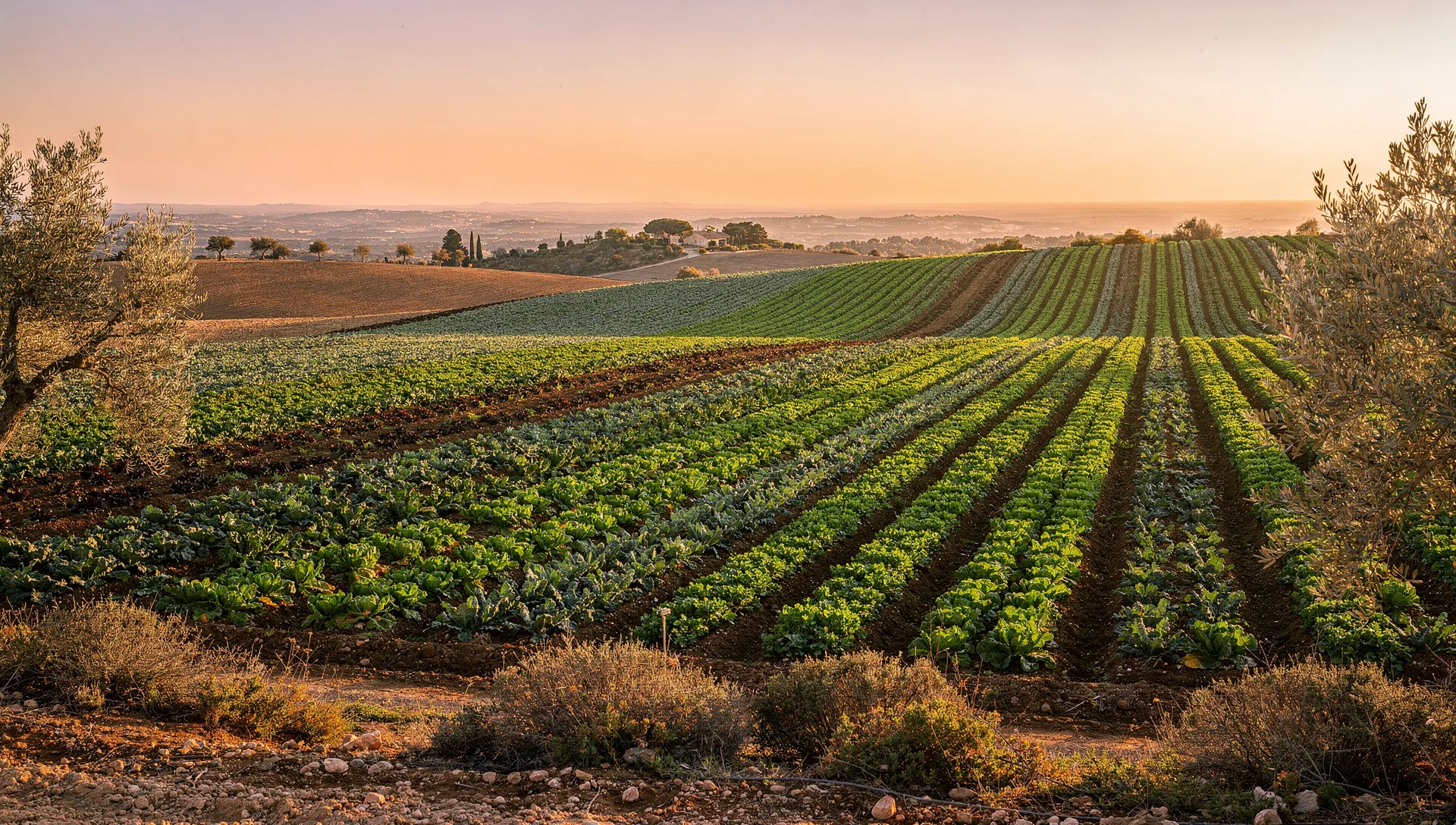
Soil degradation
Decades of intensive cultivation have drastically reduced the biological activity of many soils.
Chemical dependency
Rising fertilizer costs combined with declining efficacy on depleted soils.
Water scarcity
Poor soil structure leads to low water retention and increased irrigation demand.
Our solution
Microbial systems as an alternative
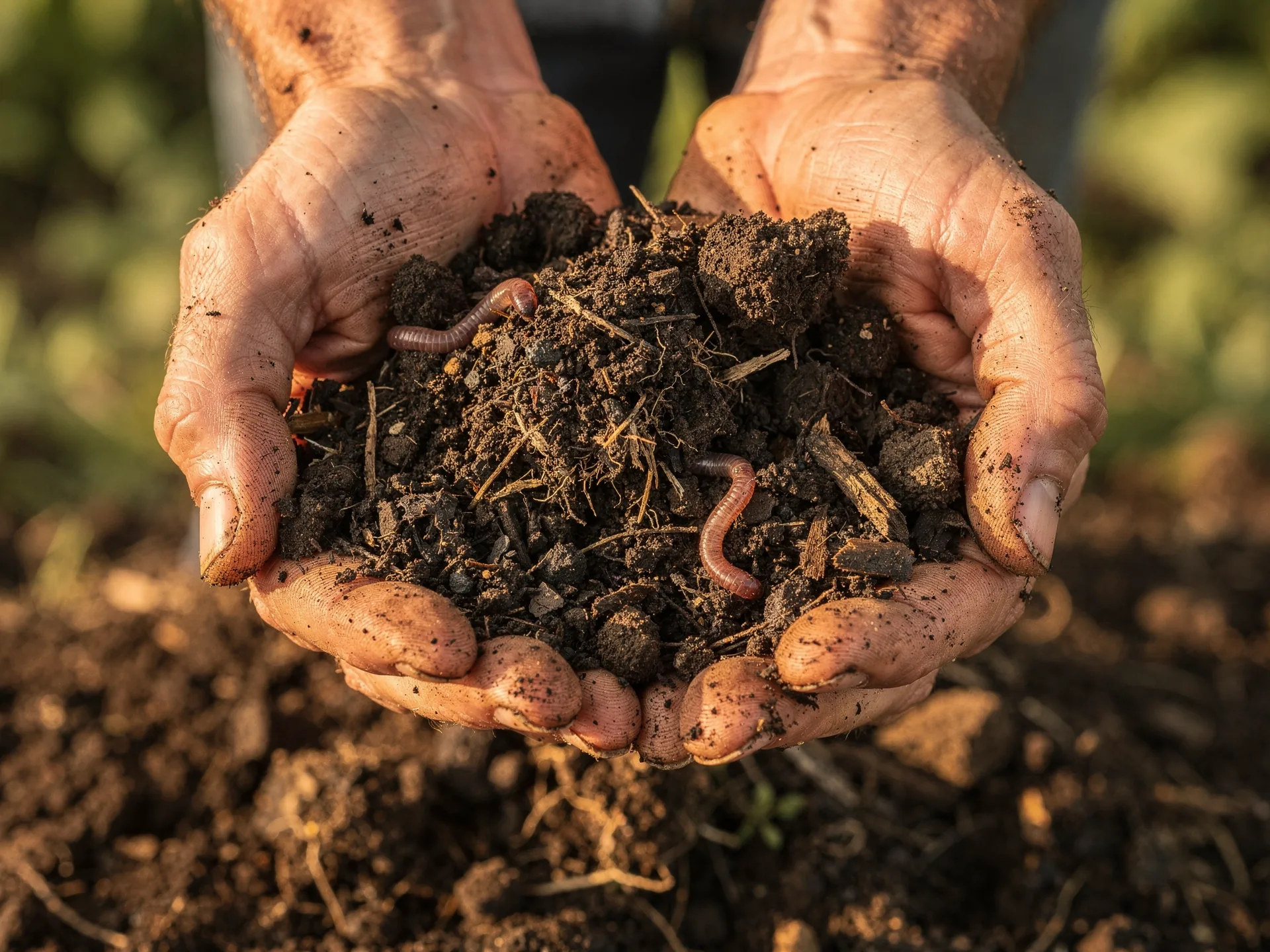
Humus build-up
Photosynthetic bacteria and yeasts build organic matter in the soil.

Biological nutrient supply
Microorganisms make bound nutrients available to plants.

Improved water retention
Activated soil biology improves soil structure and water-holding capacity.
Assess your economic potential
Adjust the values to your operation. The assessment is qualitative and shows you the potential of microbial systems for your situation.
Scientific basis
Lab-validated results
We have the scientific foundation ready for every application. Studies on antimicrobial efficacy, environmental compatibility, and biological reduction of contaminants are shared confidentially in the intro call or as part of a pilot engagement.
Request validation dataValidation areas
- Antimicrobial efficacy
- Environmental compatibility and biological degradation
- Agricultural application
- Safety profile
Further reading
Knowledge on this topic
Technology
Why microbial systems are the future of industrial processes
An overview of the advantages of microbial biotechnology over conventional chemical methods.
5 min read →Technology
Quorum sensing: how microorganisms communicate and coordinate
What quorum sensing is, how it works, and why it underpins self-regulating biological systems.
4 min read →Implementation
Three steps to transition
Assessment
Evaluation of existing processes and identification of microbial entry points.
Pilot
Test phase in a real operating environment with measurable results.
Integration
Scaling the validated solution into existing operations.
Next step
Schedule an agriculture intro call
A free 20-minute intro call about your application and the potential of microbial systems.
Get in touchBooking
Schedule online in the intro call
Who an introductory call is for
Does this fit your situation?
01
Typical operations
Mid-size to larger farms, cooperatives, viticulture, specialty crops, or organic transitions. Scaling per plot or parcel.
02
Who's in the room
Farm management, crop production lead, or cooperative leadership — people responsible for input strategy and soil approach.
03
When it fits
You want to reduce fertiliser or pesticide spend, build long-term soil fertility, or meet new regulations without yield loss.
Not quite yet?
If the answers above don't fit, it's worth building knowledge first — most common questions are answered there, no booking needed.